
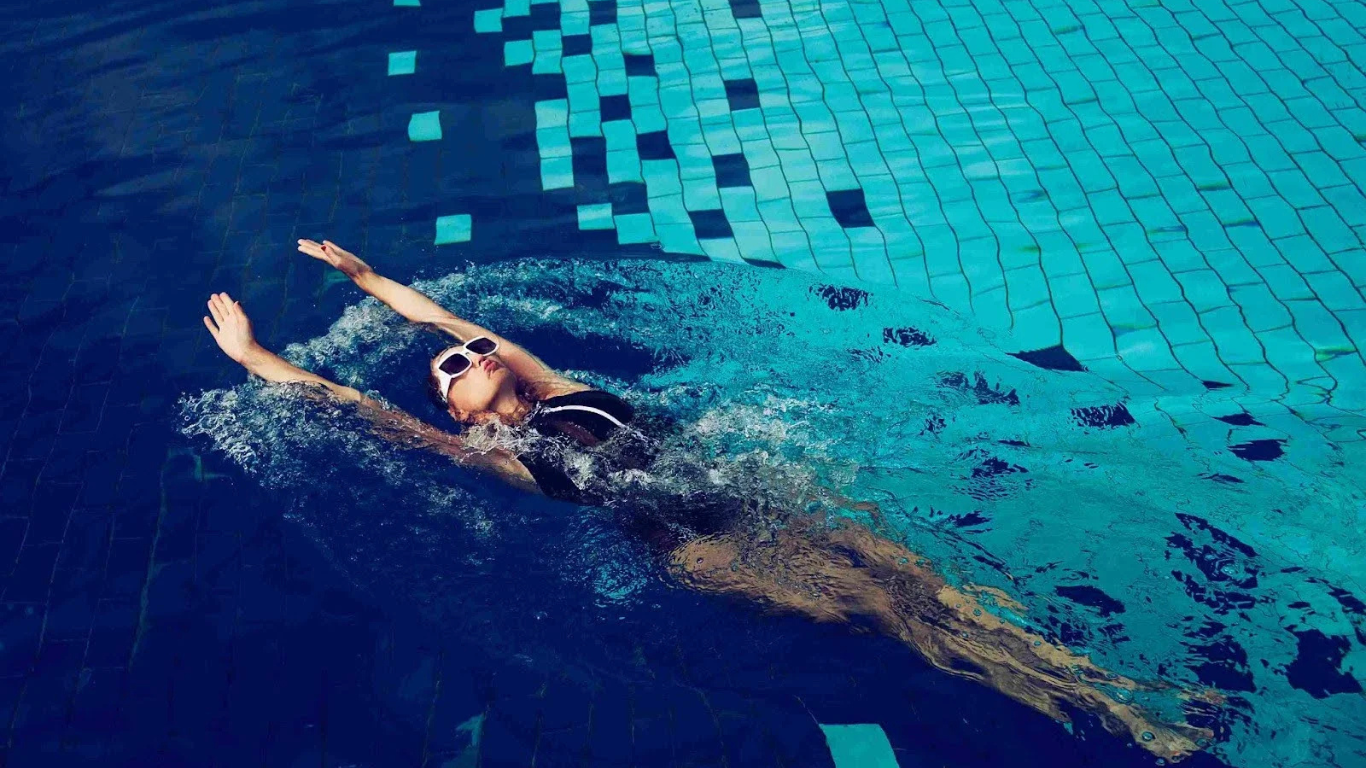
Floating and Body Position: The Foundation of Swimming
Introduction
Floating is the most fundamental skill in swimming. Before learning any strokes or advanced techniques, a swimmer must first understand how to stay afloat in water. Proper body position helps conserve energy, improves balance, and prevents unnecessary strain. Many beginners struggle with floating due to fear or incorrect posture, but with practice and confidence, anyone can master it.
The Science Behind Floating
Floating depends on two main factors: buoyancy and body position. The human body naturally contains air (especially in the lungs), which helps with flotation. However, individuals with more muscle mass may find it slightly harder to float since muscles are denser than fat. Proper body positioning can compensate for this and help maintain buoyancy.
Types of Floating Techniques
1. Back Float
This is the easiest way to float. To do this:
- Lie on your back and spread your arms and legs.
- Keep your head in a neutral position, looking at the ceiling or sky.
- Take deep, steady breaths to stay relaxed.
- Slightly arch your back to keep your stomach above water.
2. Front Float
This position is used as a starting point for many strokes.
- Lie face down in the water with your arms extended forward.
- Hold your breath and keep your body straight.
- When ready, lift your head and kick gently to transition into swimming.
Common Floating Mistakes and How to Fix Them
- Tensing the Body – The more rigid you are, the harder it is to float. Stay relaxed and let the water support you.
- Looking Up Too Much – Keeping your chin raised can cause your legs to sink. Instead, keep your head neutral.
- Holding Your Breath – Exhaling slightly helps maintain balance.
Why Floating is Essential
- Energy Conservation – Staying afloat reduces fatigue.
- Water Safety – Helps swimmers rest when tired.
- Improves Stroke Efficiency – A proper floating position makes swimming smoother and easier.
Conclusion
Floating is the foundation of swimming. With the right technique and practice, anyone can become comfortable and confident in the water. Start with basic floating exercises, and soon, you’ll be ready for more advanced swimming techniques!